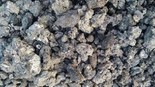
Blast Furnace Slag
Blast furnace slag is a byproduct of the iron-making process, specifically the production of pig iron in a blast furnace. It consists primarily of silicates, aluminosilicates, and other non-metallic components that are separated from the metal during the refining process. Once cooled, this molten slag solidifies into a granulated form that can be used in various applications, including as a supplementary cementitious material in concrete, as an aggregate in road construction, and in agriculture for soil amendment due to its slow-release nutrient qualities.

What Is Blast Furnace Slag
Blast furnace slag is a byproduct of the iron-making process, specifically the production of pig iron in a blast furnace. It consists primarily of silicates, aluminosilicates, and other non-metallic components that are separated from the metal during the refining process. Once cooled, this molten slag solidifies into a granulated form that can be used in various applications, including as a supplementary cementitious material in concrete, as an aggregate in road construction, and in agriculture for soil amendment due to its slow-release nutrient qualities. The use of blast furnace slag helps in recycling industrial waste, reducing the need for virgin materials, and contributing to sustainable development practices.
Sustainable resource utilization
Blast furnace slag is a by-product of the ironmaking process, making it a sustainable resource. Utilizing this slag helps reduce waste and the need for virgin materials, thus supporting circular economy principles.
Construction material
Blast furnace slag can be processed into a fine powder and used as an aggregate in concrete. It improves the workability, strength, and durability of concrete, making it a valuable addition to the construction industry.
Soil stabilization and amendment
The alkaline nature and high calcium content of blast furnace slag make it an effective soil stabilizer and amendment. It can be used to neutralize acidic soils, improve soil structure, and enhance plant growth.
Road construction
Blast furnace slag, when properly processed, can be used as an aggregate in asphalt and concrete for road construction. It provides excellent durability and resistance to wear and tear.
Energy efficiency
Utilizing blast furnace slag reduces the need for virgin materials, thereby conserving energy resources. The production of new materials often requires significant energy inputs, so using slag as a substitute helps conserve these resources.
Cost efficiency
Using blast furnace slag as a construction material can reduce costs. Since it is a by-product, it is often available at a lower cost than virgin materials. This makes it an economically viable option for many construction projects.

Why Choose Us
High quality
Our products are manufactured or executed to a very high standard, using the finest materials and manufacturing processes.
Professional team
Our professional team collaborates and communicates effectively with each other, and is dedicated to delivering high quality results. We are capable of handling complex challenges and projects that require our specialized expertise and experience.
Advanced equipment
A machine, tool or instrument designed with advanced technology and functionality to perform highly specific tasks with greater precision, efficiency and reliability.
Competitive price
We offering a higher-quality product or service at an equivalent price. As a result we have a growing and loyal customer base.
Quality control
We have built a professional quality control team to accurately inspect every raw material and every production process.
24H online service
We try and respond to all concerns within 24 hours and our teams are always at your disposal in case of any emergencies.
Types of Blast Furnace Slag
Air-cooled slag
Air-cooled slag is created when molten slag is left to cool naturally in the open, allowing it to solidify by exposing it to the ambient air. This process takes longer than other methods of cooling but results in a crystalline structure that resembles natural rock. Air-cooled slag is often used as an aggregate in construction, particularly in concrete and asphalt mixtures. Its angular shape and rough texture can improve the mechanical properties of these materials, making them stronger and more durable.
Expanded slag
Expanded slag is produced through a controlled cooling process that involves heating the molten slag to a specific temperature and then rapidly cooling it to create a porous structure. This type of slag has a lighter weight compared to other forms due to the trapped gas within its pores. Expanded slag is commonly used as an lightweight aggregate in construction, particularly in applications where reducing the weight of the structure is important, such as in the roofs or floors of buildings.
Granulated slag
Granulated slag is created by rapidly quenching molten slag with large volumes of water. This process produces a glassy, sand-like material that is highly cementitious. Granulated slag is often used as a partial replacement for portland cement in concrete mixtures, which can improve the workability, reduce heat hydration, and enhance the long-term durability of the concrete. It can also be used as a soil conditioner or fertilizer due to its high calcium content.
Pelletized slag
Pelletized slag is a form of granulated slag that has been processed into pellets or balls. This type of slag is easier to handle and transport than other forms because of its consistent size and shape. Pelletized slag is commonly used as an aggregate in construction, particularly in asphalt mixtures, where it can improve the stability and durability of the pavement. It can also be used as a soil amendment or fertilizer to improve soil structure and fertility.
How to Store Blast Furnace Slag
Site selection and preparation
The site chosen for slag storage should be free from contaminants and have good drainage to prevent leaching of unwanted substances into the surrounding environment. The area should be large enough to accommodate the expected volume of slag and allow for efficient handling and transportation.
Slag handling
Upon arrival at the storage site, the slag should be handled carefully to avoid breakage or degradation of the material. It's often transported in bulk and may require the use of conveyors, hoppers, or other equipment designed to handle heavy, abrasive materials.
Containment measures
To prevent runoff and environmental pollution, slag storage areas should be enclosed or partially enclosed with impermeable barriers such as concrete walls or geotextile liners. These barriers capture any liquid that might drain from the slag and prevent it from reaching nearby water sources.
Cover systems
Protecting slag from moisture and weather is crucial. If the storage period is expected to be long, covering the slag with a tarp or other protective material can prevent the absorption of water, which could alter the chemical composition and affect the material's performance in future applications.
Organization and accessibility
The storage area should be organized to allow for easy access and retrieval of the slag. This might involve separating the slag by size, type, or intended use, which can facilitate efficient inventory management and minimize the potential for mix-ups or misuse.
The construction industry is one of the primary beneficiaries of blast furnace slag. Due to its similarity to portland cement, slag can be used as a partial replacement for cement in concrete mixtures. This not only reduces the environmental impact of cement production but also enhances the durability and strength of concrete structures. Slag's ability to reduce heat hydration makes it particularly useful in large infrastructure projects where controlling temperature is crucial. Blast furnace slag finds utility in various industrial processes. For example, it can be used as a raw material in the production of glass and ceramics, owing to its melting point and chemical stability. In the paper industry, slag can be utilized as a filler material, enhancing the brightness and opacity of the paper. Furthermore, slag's high insulation value makes it suitable for use in thermal and acoustic insulation materials. It can be incorporated into building blocks, bricks, and panels to improve energy efficiency in construction projects. Apart from the aforementioned applications, blast furnace slag finds niche uses across various sectors. For instance, its fine granulated form can be used as a sandblasting material in surface preparation processes. In the oil industry, slag can serve as a weighting material in drilling muds to control the density of the mud system. Moreover, slag's inert nature makes it an ideal material for landfills and waste containment facilities. Its ability to resist chemical reactions ensures the safe containment of hazardous wastes without leaching into the environment.
Precautions When Using Blast Furnace Slag
Handling and transportation
Dust control
Moisture content
Chemical reactivity
Compatibility with other materials
Application-specific precautions
How Do I Choose the Right Blast Furnace Slag
Understand different types of slag
Blast furnace slag comes in various forms, including air-cooled, expanded, granulated, and pelletized. Each type has distinct characteristics and applications. For instance, granulated slag is highly cementitious and suitable for making concrete, while air-cooled slag is typically used as an aggregate. Understanding the differences between these types will help you determine which one aligns best with your needs.
Consider the end product
The intended use of the slag will largely dictate the type you should choose. For construction projects requiring strong and durable concrete, granulated slag is often the preferred choice due to its cementitious properties. If you're looking for an aggregate to use in road construction, air-cooled slag might be a better fit due to its angular shape and texture.
Assess quality standards
When selecting blast furnace slag, it's crucial to ensure that it meets certain quality standards. Look for suppliers who can provide certification or testing reports indicating the purity and composition of the slag. These documents should confirm that the slag is free from contaminants and meets the required specifications for your application.
Evaluate physical properties
Physical attributes like particle size, shape, and texture can significantly influence the performance of the final product. For example, finer particles may result in a smoother finish in concrete applications, while larger particles can provide better stability as an aggregate. Consider how these physical properties will affect the desired outcome of your project.
Check chemical composition
The chemical composition of blast furnace slag can vary depending on the raw materials used in iron production. Ensure that the slag you choose has the appropriate balance of elements like silicon dioxide, calcium oxide, and aluminum oxide to meet the specific requirements of your application. Some uses may require slag with a higher or lower percentage of certain compounds.
Production Methods of Blast Furnace Slag
Raw material preparation
The process begins with the preparation of raw materials. Iron ore, coke (a carbon-rich fuel), and limestone or dolomite (which act as fluxing agents to remove impurities) are fed into the blast furnace.
Heating and melting
Hot air is blown from the bottom of the furnace, causing the coke to burn and generating temperatures exceeding 2000°c (3600°f). This intense heat reduces the iron ore to iron while the limestone or dolomite melts, forming a liquid slag that separates from the molten iron.
Slag formation
As the iron becomes molten, it settles at the bottom of the furnace, while the molten slag, now rich in silicates and alumina silicates, remains above it. This separation is facilitated by the different densities and immiscibility of the molten iron and the slag.
Removal and cooling
The molten slag is periodically tapped from the furnace and then rapidly chilled by water sprays or natural methods to form glassy granules. This quenching process is crucial as it prevents the crystallization of the slag, which would make it difficult to use in many applications.
Granulation and drying
The quenched slag is then granulated, breaking it down into smaller particles that can be easily handled and transported. After granulation, the slag may undergo drying to reduce moisture content and improve its handling characteristics.
Process variations
Modern steelmaking processes may incorporate additional steps or technologies to enhance slag properties or recovery rates. For example, electric arc furnaces (eafs) produce a different type of slag, known as steelmaking slag, which has distinct characteristics compared to blast furnace slag.
Recycling and utilization
Once produced, slag can be recycled and utilized in various ways. Ground granulated blast furnace slag (ggbs) is commonly used as a partial replacement for portland cement in concrete due to its pozzolanic properties. It can also be used as an aggregate in road construction, as a soil amendment, and in other applications where its hydraulic binding ability and durability are advantageous.
What Are the Components of Blast Furnace Slag
Silicates (SiO2)
Silicon dioxide is a major constituent of blast furnace slag, accounting for about 30-50% of its weight. These silicate minerals contribute to the binding properties of slag in cementitious applications.
Aluminosilicates (Al2O3·nSiO2)
Aluminum oxide combines with silicon dioxide to form aluminosilicates, which are present in varying amounts, typically around 20-30% of the slag mass. These compounds play a significant role in the physical and chemical properties of slag.
Calcium oxide (CaO)
Also known as lime, calcium oxide is a key component in the formation of slag. It is added to the blast furnace as limestone or dolomite to remove impurities from the iron. The amount of CaO can range from 30-60% of the slag mass.
Magnesium oxide (MgO)
Magnesium oxide content in slag depends on the source of magnesia in the charge materials. It generally accounts for about 2-10% of the total mass and influences the setting time and strength of slag when used as a cement additive.
Sulfides and sulfates (S)
Sulfur is removed from the iron by forming sulfides and sulfates within the slag. These compounds can constitute up to 5% of the slag, although their exact proportion varies with the sulfur content in the iron ore and coke.
Iron oxides (FeO, Fe2O3, Fe3O4)
Despite being a byproduct of the iron-making process, blast furnace slag still contains minor amounts of iron oxides. The iron content is generally less than 5% and can be further reduced through processing.
Trace elements
Depending on the raw materials and industrial processes involved, trace elements such as titanium, phosphorus, vanadium, and others may be present in small amounts. These elements can influence the properties and potential uses of the slag.
Blast furnace slag arises from the conversion of raw materials-iron ore, coke, and fluxes like limestone-into iron in a blast furnace. At high temperatures exceeding 1500°C, the non-metallic components of the raw materials combine to form a molten slag layer that floats on the surface of the molten metal. The primary components of blast furnace slag include calcium silicates, alumino-silicates, and calcium alumino-hydrates, along with smaller amounts of other oxides. Upon cooling, typically by water quenching, the molten slag transforms into glassy granules, which can then be finely ground to produce ground granulated blast furnace slag (GGBS). This material is prized for its cementitious properties and is widely used as a partial substitute for portland cement in concrete and other construction materials.In contrast, steel slag originates from the production of steel in electric arc furnaces (EAFs) or basic oxygen furnaces (BOFs). The main ingredients in these processes are scrap steel or pig iron, along with fluxes such as lime and/or dolomite, which are added to remove impurities. The resulting steel slag is composed predominantly of calcium silicates and alumina silicates, similar to blast furnace slag, but it also contains higher levels of metallic elements due to the presence of scrap steel and alloying elements. Upon cooling, steel slag solidifies into a rock-like form. Depending on the cooling method, it can be used as an aggregate in road construction or as a soil amendment. However, due to its higher content of metallic elements, steel slag requires careful processing to remove any potentially hazardous components before it can be safely used in various applications.The differences between the two slags extend beyond their chemical composition. Their microstructure, texture, and reactivity are also distinct. For example, GGBS has a finer particle size and higher reactivity compared to steel slag, which is coarser and has a lower rate of hydration. These characteristics affect how each type of slag behaves when used in different applications. For instance, GGBS is preferred for its pozzolanic properties in cementitious applications, whereas steel slag is valued more for its durability and load-bearing capacity in road construction.
What Is the Difference Between Blast Furnace Slag and Lime?
Blast furnace slag produced as a byproduct in the manufacture of iron in a blast furnace. It results from the combination of silica in the iron ore, limestone, and other materials charged into the furnace with the iron. When these materials melt in the high temperatures, they combine to form a molten, glassy substance that is later cooled and processed to create different forms of slag. Obtained by heating limestone (calcium carbonate, caco3) to a high temperature in a process called calcination, which drives off carbon dioxide (co2) and leaves behind calcium oxide (cao), or quicklime. Slaked lime (calcium hydroxide, ca(oh)2) is formed when quicklime reacts with water. Blast furnace slag composed primarily of silicates, alumina silicates, and calcium oxide, with lesser amounts of iron, magnesium, and other trace elements. The exact composition varies based on the raw materials and processes of the iron-making operation. Consists almost entirely of calcium oxide, which can react with water to form calcium hydroxide. The purity of lime is usually higher than that of blast furnace slag because it is a manufactured product rather than a byproduct. Blast furnace slag depending on the cooling process, can be found in granulated, pelletized, or air-cooled forms. Granulated slag is glassy and has cementitious properties, while air-cooled slag is more crystalline and is often used as an aggregate. Lime quicklime is a white or grayish-white powder or lump, while slaked lime is a fine, white powder. Both forms are highly caustic and can cause chemical burns upon direct contact with skin or textiles. Blast furnace slag has latent hydraulic properties, meaning it can set like cement when mixed with water. This reaction is slower than that of portland cement but contributes to the durability and strength of slag-containing materials over time.
Our factory
We have two professional production lines for the production of mineral powder. These two production lines use the most advanced technology and equipment to ensure efficient and stable production processes and ensure product quality. Each year, the factory's mineral powder production capacity exceeds one million tons, with high production capacity and efficiency, able to meet the huge demand for mineral powder in domestic and foreign markets.

FAQ
Q: What is blast furnace slag?
Q: How is blast furnace slag produced?
Q: What are the properties of blast furnace slag?
Q: What are the uses of blast furnace slag?
Q: What is the composition of blast furnace slag?
Q: What is the difference between blast furnace slag and steel slag?
Q: What is the difference between blast furnace slag and fly ash?
Q: What is the difference between blast furnace slag and cement?
Q: What is the difference between blast furnace slag and sand?
Q: What is the difference between blast furnace slag and gravel?
Q: What is the difference between blast furnace slag and concrete?
Q: What is the difference between blast furnace slag and glass?
Q: What is the difference between blast furnace slag and ceramic?
Q: What is the difference between blast furnace slag and lime?
Q: What is the difference between blast furnace slag and gypsum?
Q: What is the difference between blast furnace slag and pumice?
Q: How is slag removed from the furnace?
Q: What are the methods of removing slag?
Q: Can you burn out slag?
Q: Is slag safe to touch?
Hot Tags: Blast Furnace Slag - Tangshan Enpeng Trading Co.,Ltd