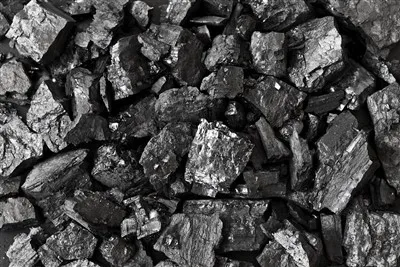
What Is Mineral Slag


Mineral slag is a byproduct created during the smelting and refining processes of various metal ores. It consists of the leftover materials that do not merge with the molten metal. The composition of slag can vary greatly, depending on the types of metals being processed and the chemical reactions occurring within the furnace. Often containing metal oxides, silicon dioxide, and other compounds, slag is separated from the pure metal and can be utilized in numerous ways, such as in road construction materials, cement production, and as an aggregate in landscaping projects. Proper management and utilization of slag are essential for minimizing environmental impact and recovering valuable resources.


Advantages of Mineral Slag


Resource reuse
Slag is a potential secondary resource. After processing, it can be used to make building materials, road basic materials, fertilizers, etc., thereby realizing resource reuse and reducing the exploitation of natural resources.


Environmental benefits
The rational use of slag can reduce the accumulation and discharge of waste and reduce environmental pollution. At the same time, through the comprehensive utilization of slag, the demand for new materials can be reduced, energy consumption and emissions during the production process can be reduced, and it has a positive effect on environmental protection.


Economic benefits
The reuse of slag can bring economic benefits to enterprises. By converting slag into high value-added products, the competitiveness of enterprises can be improved and revenue sources increased. At the same time, the utilization of slag can also create employment opportunities and promote the development of the local economy.


Improve soil quality
Certain slag can be used as fertilizer after treatment to provide necessary minerals and trace elements to the soil, improve soil quality, and increase crop yield and quality.


Substitute for traditional materials
Slag can be used as an alternative resource to traditional materials. For example, slag can replace part of natural sand and gravel in concrete manufacturing, reducing dependence on natural resources and improving the performance of concrete.


Reduce production costs
The utilization of slag can reduce production costs. By using slag as raw material, the cost of purchasing new materials can be reduced, as well as energy consumption and waste disposal costs during the production process.
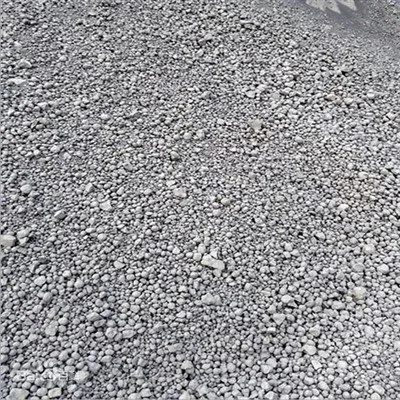
 

First 12 Last 1/2
Why Choose Us
 

High quality

Our products are manufactured or executed to a very high standard, using the finest materials and manufacturing processes.

Professional team

Our professional team collaborates and communicates effectively with each other, and is dedicated to delivering high quality results. We are capable of handling complex challenges and projects that require our specialized expertise and experience.

Advanced equipment

A machine, tool or instrument designed with advanced technology and functionality to perform highly specific tasks with greater precision, efficiency and reliability.

Competitive price

We offering a higher-quality product or service at an equivalent price. As a result we have a growing and loyal customer base.

Quality control

We have built a professional quality control team to accurately inspect every raw material and every production process.

24H online service

We try and respond to all concerns within 24 hours and our teams are always at your disposal in case of any emergencies.


Types of Mineral Slag


Iron blast furnace slag
This is the most common type of slag, produced during the reduction of iron ore in a blast furnace. It consists primarily of silicates, aluminosilicates, and oxides, and has a wide range of applications, including as a raw material in cement production, as a road base, and in agriculture as a soil conditioner. Due to its hydraulic properties, when ground, it can be used as a supplementary cementitious material in concrete.


Steelmaking slag
Generated during the steelmaking process, this slag contains elements like calcium, magnesium, and aluminum. It is often used in similar applications to iron blast furnace slag, such as in cement and concrete manufacture, but it can also be used as a fertilizing agent due to its high phosphorus content.


Lead smelter slag
Produced during the extraction of lead from its ores, this slag can contain significant amounts of lead and other heavy metals. It is considered hazardous waste and must be carefully managed to prevent environmental contamination. However, after proper treatment and recycling, some of its components can be reclaimed for use in various products.


Tin slag
A byproduct of tin extraction, tin slag can contain valuable metals like copper and nickel. After processing, these metals can be recovered and sold, making tin slag a potentially profitable waste stream. It can also be used in construction materials and as an aggregate in road building.


Copper slag
This type of slag is produced during the smelting of copper ore. It is highly abrasive and has sharp edges, which make it useful as a blasting medium in the cleaning and preparation of surfaces. Copper slag can also be used as a component in cement and pavement construction.


Aluminum slag
Formed during the electrolytic extraction of aluminum from bauxite, aluminum slag is less common than other types. It contains valuable metals and can be processed to recover them. However, due to its complex composition and potential environmental hazards, managing aluminum slag requires careful consideration.


How to Store Mineral Slag


Assessment of slag characteristics

Before storage, it is crucial to understand the properties of the slag, including its chemical composition, temperature upon removal from the furnace, and any potential hazardous components. This information guides the choice of storage methods and containers.

Temperature control

Hot slag can cause burns and fires upon contact with organic materials. Therefore, it should be allowed to cool sufficiently before handling and storage. This may involve using specialized cooling beds or areas designed to safely dissipate heat.

Container selection

Slag must be stored in containers that are resistant to corrosion and can withstand the weight and physical properties of the material. Depending on the form of slag (aggregate, molten, etc.), suitable options include steel drums, lined landfills, or designated storage bins.

Environmental protection measures

To prevent contamination of soil and groundwater, slag storage areas should be lined with impermeable materials. Additionally, drainage systems should be designed to collect any liquid runoff for proper treatment before discharge.

Structural integrity

The structure holding the slag must be sturdy, with adequate support to prevent collapse under the weight of the material. Regular inspections should be conducted to monitor the integrity of storage facilities.

Accessibility and safety

Storage areas should be easily accessible for maintenance and monitoring but secure to prevent unauthorized access. Signage indicating hazards, instructions for safe handling, and emergency procedures should be prominently displayed.

Monitoring and documentation

Continuous monitoring of the storage area is essential to detect any leaks, structural damage, or other issues promptly. Documentation of the slag’s composition, quantity, and storage conditions facilitates tracking and reporting.

Future use consideration

If the slag is intended for future use in construction or other applications, it should be stored in a manner that maintains its quality. Protective measures against weathering and contamination are necessary.

Disposal planning

For slags that cannot be repurposed, a disposal plan should be in place. Proper classification and preparation of the slag for final disposal are vital steps in the lifecycle of mineral slag.


Application of Mineral Slag


Blast Furnace Slag

Construction industry

Slag is extensively used in the construction sector owing to its durability and strength. Ground granulated blast furnace slag (ggbfs), in particular, is a valuable component in the production of high-quality cement and concrete. When added to concrete mixtures, it improves resistance to aggressive environments and enhances the durability and workability of the final product. Moreover, mineral slag can be utilized as an aggregate in road construction, providing a sturdy foundation that withstands heavy traffic loads.

Environmental management

Recognized for its ability to neutralize acidic conditions, mineral slag is employed in environmental remediation efforts. It is used to stabilize and solidify hazardous wastes, reducing leachability and potential environmental contamination. Furthermore, certain types of slag, such as those from steelmaking, can be used as a soil amendment to improve soil structure and fertility, thereby aiding in agricultural productivity.

Abrasives

Due to its hardness and angular shape, copper slag is commonly used as an abrasive material in various cleaning and preparation processes. It serves as a substitute for silica sand in abrasive blasting, removing paint, rust, and other coatings from surfaces without generating toxic byproducts.

Filler materials

Mineral slag is also utilized as a filler material in the manufacturing of rubber, asphalt, and various plastic products. Its use in these applications helps to enhance the physical properties of the end product while reducing costs associated with raw material acquisition.

Metal recovery

Some mineral slags contain residual metals that can be economically recovered through processing techniques. For example, lead smelter slag may be treated to extract valuable metals like silver and gold. Similarly, copper slag can be processed to recover copper and other trace metals.

Landscaping and agriculture

The ph-neutral nature of some slags makes them suitable for use in landscaping and agriculture. They can be used as a soil additive to improve drainage, aeration, and water retention, thereby promoting plant growth. Additionally, the controlled release of nutrients from these slags can benefit soil fertility.


Precautions When Using Mineral Slag
 

Cooling and temperature control
Hot slag must be cooled before any further handling. This can be done through controlled cooling techniques, such as air or water quenching, to ensure the material is at a safe temperature for storage and transportation.


Proper handling techniques
Mineral slag should be moved using tools and equipment designed for heavy materials, such as shovels with heat-resistant handles, wheelbarrows, or mechanical lifting devices. Manual handling should be minimized to reduce the risk of injury.


Containment and storage
Slag must be stored in designated, secure areas that are resistant to spills and leaks. These areas should be equipped with containment structures like dikes or barriers to prevent environmental contamination.


Emergency preparedness
Facilities dealing with mineral slag should have detailed emergency plans in place. Staff should be trained on how to handle accidents involving slag, such as spontaneous combustion or chemical exposure incidents.


Monitoring and testing
Regular monitoring of slag storage areas for signs of degradation or contamination is necessary. Additionally, testing the slag's properties can help determine its safe handling and future use.


Waste disposal
When disposing of slag, it is important to follow appropriate waste management procedures. Slag should be classified according to its hazardous properties and disposed of in permitted facilities designed to handle such materials.


Site inspections
Regular inspections of the storage and handling areas are essential to identify and address any potential safety hazards before they lead to accidents. This proactive approach helps in maintaining a safe work environment.


How Do I Choose the Right Mineral Slag


Identify the application
The first step is to determine the intended use of the mineral slag. Whether it's for construction purposes, as an abrasive, or in another industrial application, the type of slag required will differ based on its properties and characteristics. For instance, if you need a pozzolanic material for cement production, you would look for granulated blast furnace slag, whereas if you require an abrasive, copper slag might be more suitable.


Assess composition and quality
Different types of slag have varying compositions based on the original ore and the smelting process. It's crucial to know the chemical makeup of the slag, especially the levels of contaminants like heavy metals, which can affect its safety and suitability for different uses. Ensure that the slag meets the required quality standards and certifications.


Consider physical properties
The physical characteristics of slag, such as particle size, density, and shape, can significantly impact its performance in various applications. For example, in construction, a finer grain size might be preferable for producing high-strength concrete, while a coarser grade could serve as a reliable aggregate for road bases.


Evaluate economic feasibility
Cost is always a determining factor. Compare the prices of different slags available in the market, taking into account transportation expenses, as this can greatly affect the overall cost. While cheaper options might seem appealing upfront, they could compromise the quality and performance of your project.


Check availability and supply
Consider the availability of the slag you're interested in. If it's sourced locally, it might be more readily accessible and cost-effective. However, if it's imported or from a distant location, supply chain issues could lead to delays or increased expenses.


Test samples
Before committing to a large purchase, request samples to perform necessary tests that verify the material's suitability for your specific application. This step is particularly important for ensuring that the slag performs as expected in real-world conditions.


Production Methods of Mineral Slag

Raw material preparation
The initial step involves collecting and preparing the raw materials, which typically include metal ores, fluxes, and sometimes additives. Fluxes are substances like limestone or dolomite that chemically react with the impurities in the ore to form the slag.


Smelting
Smelting is the process of heating the prepared mixture of ore and flux in a furnace to a high temperature where the metal becomes molten. At this stage, the impurities within the ore combine with the flux to form a liquid slag that floats on top of the molten metal due to differences in density and chemical affinity.


Refining
In some cases, additional refining processes are applied to further purify the molten metal and adjust the composition of the slag. This might involve the introduction of specific elements or compounds to achieve the desired properties in both the metal and the slag.

Slag removal and cooling

Once the metal has been sufficiently refined, the slag is removed from the furnace. It is then allowed to cool, either naturally or through controlled cooling methods such as air quenching or water immersion, to solidify. The rate and method of cooling can affect the physical characteristics of the resulting slag.

Slag handling and storage

After cooling, the slag is handled and stored until it can be processed further or used in various applications. Proper storage is essential to prevent environmental contamination and to maintain the quality of the material for future use.

Recycling and utilization

Mineral slag can be recycled and utilized in different ways. Depending on its composition and physical characteristics, slag may be used in construction materials, as a component in cement production, or as an aggregate in road building. The recycling process often involves crushing, grinding, and sieving the slag to achieve the required specifications.


What Are the Components of Mineral Slag


The primary source of slag constituents is the gangue from metal ores. These impurities include silica (SiO2), alumina (Al2O3), and other non-metallic compounds that do not melt at the temperatures required for metal smelting. To facilitate the removal of these impurities, fluxes such as limestone (CaCO3) or dolomite (CaMg(CO3)2) are added to the molten charge in the furnace. When heated, these materials decompose to form calcium oxide (CaO), which combines with silica and alumina to form various types of calcium silicates and aluminates. Small amounts of unreacted metal from the original ore may also be found in the slag, depending on the efficiency of the separation process. For example, in steelmaking slag, you might find residual iron (Fe). During the smelting process, gases such as carbon monoxide (CO) and sulfur dioxide (SO2) are released. Some of these gases can react with the slag, leading to the formation of compounds like calcium sulfide (CaS). Sometimes, specific additives are included to refine the metal or modify the properties of the slag. These can include elements like magnesium (Mg), aluminum (Al), or others that improve fluidity, reduce the melting point, or enhance the ability to capture certain impurities. The high-temperature environment within a furnace can lead to a variety of chemical reactions between the different components of the slag. These reactions can produce a wide array of compounds, including various silicates, aluminosilicates, and oxides. As the slag cools, it may absorb moisture from the environment or entrap loose inclusions, such as ash or other particulate matter, which can affect its properties and usability. The precise combination and proportion of these components will determine the physical and chemical characteristics of the slag, influencing its potential uses and the processing methods required for utilization. For instance, the presence of free lime (CaO) can affect the slag's reactivity, while the amount of glassy phase can influence its strength and durability.


What Is the Difference Between Mineral Slag and Volcanic Ash?


Origin and formation

Mineral slag is a byproduct of industrial metallurgical operations, primarily resulting from the smelting and refining of ores to extract metals. During this process, the gangue (non-metallic impurities) and excess fluxes are separated from the molten metal and form a molten slag. Upon cooling, this slag solidifies into a granular material. In contrast, volcanic ash is a product of explosive volcanic eruptions. It consists of fine particles of rock, minerals, and volcanic glass that are ejected into the atmosphere and later deposited over a wide area.

 
Chemical composition

One of the primary differences between the two lies in their chemical composition. Mineral slag typically contains a complex mix of oxides derived from the original ore and the flux materials used in the smelting process. Common elements include iron, silicon, calcium, magnesium, and aluminum. On the other hand, volcanic ash is composed of a variety of minerals depending on the composition of the magma from which it originates. It may include quartz, feldspars, pyroxenes, and amphiboles, among others. The specific mineralogy of volcanic ash can vary widely and is influenced by the temperature and pressure conditions within the volcanic system.

 
Physical properties

The physical characteristics of mineral slag and volcanic ash can differ considerably. Slag usually has a more uniform particle size distribution due to the controlled conditions of its formation. Its particles tend to be angular and have a high melting point, which makes it suitable for abrasive and constructional uses. Volcanic ash, however, exhibits a wider range of particle sizes, from fine dust to larger sand-sized grains. Its particles are often more spherical and glassy, which can affect its behavior when used as a building material or in soil amendments.

 
Applications

While both materials have found utility in construction, agriculture, and other applications, their uses are somewhat distinct due to their differing properties. Mineral slag is valued for its durability, pozzolanic qualities (when ground), and ability to improve the mechanical strength of cement and concrete.


What Is the Difference Between Mineral Slag and Gravel?

Physical characteristics

One of the most notable differences between slag and gravel is their physical appearance. Slag often has a darker color and a glassy or vitreous texture due to its high-temperature origin. It can also contain various inclusions and colors reflecting its complex composition. Gravel, on the other hand, exhibits a range of colors and textures depending on the parent rock. It tends to have a more natural appearance, with rounded edges and a variety of sizes and shapes.


Chemical properties

The chemical properties of slag can be quite complex due to its diverse mineral content. It may contain various oxides, silicates, and other compounds resulting from the smelting process. These chemical components can affect how slag interacts with other substances, such as water or cement.Gravel, being a natural material, generally has simpler chemical properties that depend primarily on the composition of the parent rock. Its chemical inertness makes it suitable for a wide range of applications without significant chemical reactions.

Applications

Slag is commonly used as an aggregate in cement and concrete mixes, where its pozzolanic properties can improve strength and durability. It can also be used as a road base material due to its load-bearing capabilities and drainage qualities. Additionally, slag is sometimes used in agricultural applications, such as soil amendment, due to its mineral content.

Origin and production

Mineral slag is a byproduct created during the smelting and refining of metal ores. It forms when impurities in the ore, combined with flux materials, are removed from the molten metal. The composition of slag can vary widely depending on the type of metal being processed and the specific chemicals used in the smelting operation.


Our factory


We have two professional production lines for the production of mineral powder. These two production lines use the most advanced technology and equipment to ensure efficient and stable production processes and ensure product quality. Each year, the factory's mineral powder production capacity exceeds one million tons, with high production capacity and efficiency, able to meet the huge demand for mineral powder in domestic and foreign markets.


product-1-1


FAQ


Q: What is mineral slag?

A: Mineral slag is a byproduct of various industrial processes, such as metal smelting, coal combustion, and cement production. It is a glassy, granular material that is formed when molten slag is rapidly cooled.

Q: What are the properties of mineral slag?

A: Mineral slag has various properties, including high hardness, abrasiveness, and chemical stability. It also has a high melting point and can be used as a refractory material.

Q: What are the uses of mineral slag?

A: Mineral slag has various uses, including as a construction material, abrasive, fertilizer, and soil amendment. It can also be used in the production of cement, glass, and ceramics.

Q: What is the composition of mineral slag?

A: The composition of mineral slag varies depending on the industrial process that produced it. Generally, it contains a mixture of oxides, such as silicon dioxide, aluminum oxide, and calcium oxide.

Q: What is the process for producing mineral slag?

A: The process for producing mineral slag varies depending on the industrial process that generates it. Generally, it involves the cooling of molten slag by quenching it with water or air.

Q: What is the difference between blast furnace slag and steel slag?

A: Blast furnace slag is a byproduct of iron and steel production, while steel slag is a byproduct of steel production. Blast furnace slag is typically used as a construction material, while steel slag is often used as an aggregate in road construction.

Q: What is the difference between fly ash and mineral slag?

A: Fly ash is a byproduct of coal combustion, while mineral slag is a byproduct of various industrial processes. Fly ash is typically used as a construction material, while mineral slag has various uses, including as an abrasive and soil amendment.

Q: What is the difference between mineral slag and volcanic ash?

A: Mineral slag is a byproduct of industrial processes, while volcanic ash is a natural material that is produced by volcanic eruptions. Volcanic ash is typically used as a soil amendment, while mineral slag has various uses, including as an abrasive and construction material.

Q: What is the difference between mineral slag and sand?

A: Mineral slag is a granular material that is formed by cooling molten slag, while sand is a naturally occurring material that is composed of small grains of rock and mineral particles. Mineral slag is often used as an abrasive, while sand is used in construction and landscaping.

Q: What is the difference between mineral slag and gravel?

A: Mineral slag is a granular material that is formed by cooling molten slag, while gravel is a naturally occurring material that is composed of small stones and rock fragments. Gravel is often used in construction and landscaping, while mineral slag is used as an abrasive and construction material.

Q: What is the difference between mineral slag and concrete?

A: Mineral slag is a granular material that is formed by cooling molten slag, while concrete is a mixture of cement, water, and aggregates, such as sand and gravel. Concrete is often used in construction, while mineral slag is used as an abrasive and construction material.

Q: What is the difference between mineral slag and glass?

A: Mineral slag is a granular material that is formed by cooling molten slag, while glass is a solid material that is formed by melting and cooling silica. Glass is often used in construction and manufacturing, while mineral slag is used as an abrasive and construction material.

Q: What is the difference between mineral slag and cement?

A: Mineral slag is a granular material that is formed by cooling molten slag, while cement is a binder that is used to hold together aggregates, such as sand and gravel. Cement is often used in construction, while mineral slag is used as an abrasive and construction material.

Q: What is the difference between mineral slag and lime?

A: Mineral slag is a granular material that is formed by cooling molten slag, while lime is a chemical compound that is produced by heating limestone. Lime is often used in construction and agriculture, while mineral slag is used as an abrasive and construction material.

Q: What is the difference between mineral slag and gypsum?

A: Mineral slag is a granular material that is formed by cooling molten slag, while gypsum is a mineral that is commonly used in construction as a binder and filler. Gypsum is often used in drywall and plaster, while mineral slag is used as an abrasive and construction material.

Q: What is the difference between mineral slag and pumice?

A: Mineral slag is a granular material that is formed by cooling molten slag, while pumice is a volcanic rock that is formed by the rapid cooling of lava. Pumice is often used as an abrasive and soil amendment, while mineral slag is used as an abrasive and construction material.

Q: What is the difference between mineral slag and perlite?

A: Mineral slag is a granular material that is formed by cooling molten slag, while perlite is a volcanic glass that is formed by the rapid cooling of lava. Perlite is often used as a soil amendment and insulation material, while mineral slag is used as an abrasive and construction material.

Q: What is the difference between mineral slag and zeolite?

A: Mineral slag is a granular material that is formed by cooling molten slag, while zeolite is a mineral that is commonly used as a water softener and odor control agent. Zeolite is often used in water treatment and agriculture, while mineral slag is used as an abrasive and construction material.

Q: What is the difference between mineral slag and bentonite?

A: Mineral slag is a granular material that is formed by cooling molten slag, while bentonite is a clay mineral that is commonly used as a binder and drilling fluid. Bentonite is often used in construction and drilling, while mineral slag is used as an abrasive and construction material.

Q: What is the difference between mineral slag and perlite?

A: Mineral slag is a granular material that is formed by cooling molten slag, while perlite is a volcanic glass that is formed by the rapid cooling of lava. Perlite is often used as a soil amendment and insulation material, while mineral slag is used as an abrasive and construction material.

Mineral Slag - Tangshan Enpeng Trading Co.,Ltd

(0/10)

clearall