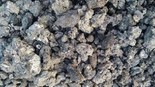
Anthracite
Anthracite is a type of coal that represents the highest quality and purity of coal deposits. It is a hard, black lustrous mineral with a high carbon content and low sulfur and ash amounts.

What Is Anthracite
Anthracite is a type of coal that represents the highest quality and purity of coal deposits. It is a hard, black lustrous mineral with a high carbon content and low sulfur and ash amounts. Anthracite forms through the metamorphism of lignite and sub-bituminous coals at increased temperatures and pressures over millions of years. It burns more cleanly than other forms of coal and is often used for heating purposes and metallurgical processes. Due to its purity and energy content, anthracite is considered one of the most desirable coals for industrial use.
High energy density
Anthracite coal has a high carbon content, typically ranging from 86% to 97% by weight. This high carbon content translates into a high energy density, meaning that anthracite produces more energy per unit weight than other types of coal. This makes it an efficient fuel for power generation and industrial processes.
Low ash content
Anthracite coal has a significantly lower ash content compared to other types of coal. Ash is a non-combustible residue that remains after coal is burned, and a lower ash content means less waste and fewer emissions during combustion. This makes anthracite a cleaner-burning fuel that reduces environmental pollution.
Long burning time
Anthracite coal has a high density and hardness, which allows it to burn slowly and steadily for extended periods. This long burning time means that anthracite can provide a consistent supply of heat or power for hours, making it an ideal fuel for boilers, furnaces, and other heating systems.
Low moisture content
Anthracite coal typically has a low moisture content, which is beneficial for several reasons. First, low moisture content improves the efficiency of combustion, as less energy is required to evaporate the moisture. Second, low moisture content anthracite produces less smoke and fewer emissions, further reducing its environmental impact.
Versatile use
Anthracite coal can be used in a wide range of applications, from power generation and heating systems to industrial processes like metallurgy and cement production. Its high carbon content and low ash content make it suitable for a variety of uses, making it a highly versatile fuel source.
Stable price
Anthracite coal is a relatively abundant fossil fuel resource, and its price is generally stable compared to other energy sources. This price stability can provide businesses and consumers with a reliable and cost-effective energy option, especially in regions where anthracite coal is abundant.


Why Choose Us
High quality
Our products are manufactured or executed to a very high standard, using the finest materials and manufacturing processes.
Professional team
Our professional team collaborates and communicates effectively with each other, and is dedicated to delivering high quality results. We are capable of handling complex challenges and projects that require our specialized expertise and experience.
Advanced equipment
A machine, tool or instrument designed with advanced technology and functionality to perform highly specific tasks with greater precision, efficiency and reliability.
Competitive price
We offering a higher-quality product or service at an equivalent price. As a result we have a growing and loyal customer base.
Quality control
We have built a professional quality control team to accurately inspect every raw material and every production process.
24H online service
We try and respond to all concerns within 24 hours and our teams are always at your disposal in case of any emergencies.
Types of Anthracite
Meta-anthracite
This is a form of anthracite that has undergone metamorphism. It is denser and harder than regular anthracite and burns at a higher temperature.
Black anthracite
This is the most common type of anthracite and is known for its jet-black color and shiny appearance. It is high in carbon and low in sulfur, which makes it a clean-burning fuel.
White anthracite
This rarer form of anthracite is almost pure carbon and has a higher carbon content than black anthracite. It burns at a higher temperature and produces less smoke and ash.
Caking anthracite
This type of anthracite has a high plasticity content, which allows it to "cake" or form solid lumps when heated. It is used mainly in industrial settings for blast furnaces and other applications where a solid fuel is required.
Non-caking anthracite
This type of anthracite does not cake and is used mainly for domestic heating. It burns cleanly and evenly, making it a popular choice for home heating systems.
Nut anthracite
This is a small, granular form of anthracite that is used for domestic heating and in some industrial applications. It burns quickly and efficiently, making it a good choice for smaller heating systems.
Stove anthracite
This is a larger, chunkier form of anthracite that is used primarily for heating stoves. It burns slowly and evenly, providing long-lasting heat.
Anthracite pea
This is a small, round form of anthracite that is used for domestic heating and in some industrial applications. It is similar to nut anthracite but is slightly larger in size.
Anthracite rice
This is a smaller version of anthracite pea, and it is used primarily for domestic heating. It is known for its high heat output and long burn time.
How to Store Anthracite
Choose the right location
The location where you store anthracite should be dry and well-ventilated to prevent moisture buildup and the accumulation of harmful gases. The site should also be protected from the elements to minimize the risk of weather damage.
Use appropriate containers
Anthracite should be stored in sturdy, airtight containers to prevent contamination and preserve its purity. Metal drums or plastic bags with tight seals are suitable options for storing small quantities of anthracite. For larger amounts, consider using a dedicated storage shed or building.
Keep it dry
Moisture can cause anthracite to deteriorate and reduce its energy content. Ensure that your storage area is dry and well-drained to prevent water from seeping into the coal. If necessary, use a dehumidifier or ventilation system to control humidity levels.
Prevent pest infestations
Rodents, insects, and other pests can contaminate anthracite and cause damage to your storage area. Take precautions such as keeping food and garbage away from storage areas, sealing cracks and openings, and using traps or baits if necessary.
Regular maintenance
Regularly inspect your storage area and anthracite to ensure that it remains in good condition and has not been contaminated or spoiled. Clean up any spills or leaks promptly and replace any damaged or contaminated coal.
Handle with care
When handling anthracite, use gloves and other protective gear to avoid skin contact and inhalation of coal dust. Avoid dropping or throwing the coal to prevent breakage or spills.
Heating
One of the primary uses of anthracite is for heating purposes. Its high carbon content and low volatiles make it an efficient fuel for generating heat. It burns cleaner than other types of coal, producing less smoke and soot. Anthracite stoves and boilers are commonly used in residential and commercial settings for space heating and hot water generation.
Smelting and metallurgy
Anthracite's carbon content makes it an excellent reducing agent in smelting processes. It is used to produce iron and steel by reducing iron ore in blast furnaces. The high calorific value and low impurity levels of anthracite ensure efficient heat transfer and reduce the risk of contamination in the metal produced.
Filters and filter media
Due to its hardness and granular structure, anthracite is used as a filter medium in water filtration systems. It helps remove suspended particles, organic compounds, and microorganisms from water supplies, improving their clarity and quality. Anthracite filters are particularly effective in removing chlorine and other chemicals from water, making them suitable for use in swimming pools and industrial water treatment.
Chemical production
Anthracite is used as a raw material in the production of various chemicals, including carbon black and synthetic graphite. Carbon black is used as a pigment and reinforcement in tires and other rubber products, while synthetic graphite is used in batteries, lubricants, and pencils.
Activated carbon
Anthracite can be processed into activated carbon, which is widely used for purification and separation processes. Activated carbon has a high surface area and adsorption capacity, making it effective in removing pollutants from air and water. It is used in air and water purification systems, gas masks, and medical devices.
Energy production
Although less common than other fossil fuels like bituminous coal or natural gas, anthracite can be used for electricity generation in power plants. Its high energy content and lower sulfur content compared to other coals make it a cleaner option for power production.
Sports and recreation
Anthracite is also used in sports and recreation. For example, it is used as a component in the manufacture of golf clubs and other sporting goods due to its strength and durability. In addition, anthracite has been used historically as a material for writing and drawing pencils.
Decorative applications
Anthracite's unique texture and appearance have led to its use in decorative applications. It can be polished and used as a veneer or added to concrete to create a distinctive look in architectural projects.
Precautions When Using Anthracite
Store anthracite safely
Anthracite should be stored in a dry place away from moisture and direct sunlight. If it gets wet, it can become slippery and difficult to handle, and it can also deteriorate over time. Make sure to store it in a covered area or a shed if possible.
Handle anthracite carefully
When handling anthracite, wear gloves to protect your hands from cuts and abrasions. Use a shovel or other tool to move it around, rather than picking it up by hand. Be careful not to drop it on your feet or anyone else's.
Use the right equipment
When burning anthracite, make sure you have the right equipment, such as a stove or fireplace that is designed to burn coal. Do not use equipment that is not meant for burning coal, as this could pose a fire hazard.
Ventilate properly
Ensure that the room where you are burning anthracite is well-ventilated. This will help prevent the buildup of harmful gases and ensure that the air quality remains safe. Open a window or use a fan to increase air circulation.
Avoid burning wet anthracite
Wet anthracite can produce more smoke and harmful gases when burned. Make sure it is completely dry before using it. If it feels damp or has a greenish tinge, let it dry out before burning it.
Keep children and pets away
Keep children and pets away from the area where you are burning anthracite. They could accidentally knock over the stove or come into contact with hot surfaces, which could cause burns or other injuries.
Dispose of ashes properly
Once you have finished burning anthracite, dispose of the ashes properly. Do not put them in the trash or throw them outside, as they could start a fire. Instead, let them cool completely and then put them in a metal container with a lid.
How Do I Choose the Right Anthracite
Quality
The quality of anthracite is typically measured by its carbon content, ash content, sulfur content, and calorific value (heat content). Look for anthracites with high carbon content (above 85%), low ash content (below 8%), low sulfur content (below 1%), and high calorific value (above 8,300 btu per pound). These characteristics indicate a purer, cleaner, and more efficient fuel source.
Size and shape
Anthracite comes in different sizes and shapes, including pea-sized, stove-sized, lump, and powder forms. Choose the size and shape based on your intended use and the equipment you plan to use it with. For example, smaller pea or stove sizes are ideal for use in home heating stoves, while larger lump sizes may be better suited for outdoor boilers or furnaces.
Source and availability
Consider the geographic source of the anthracite and its availability in your area. Anthracite is primarily mined in northeastern pennsylvania in the united states and is also found in other parts of the world, including china, australia, and russia. Choose a reputable supplier who can provide consistent quality and reliable delivery.
Production Methods of Anthracite
Mining
The first step in producing anthracite is to mine the coal. This can be done through surface mining or underground mining, depending on the location and depth of the deposit. Surface mining involves removing the top layer of soil and rock to access the coal seam, while underground mining involves digging tunnels into the earth to reach the coal. Once the coal is exposed, it is loaded into trucks or conveyors and transported to the processing plant.
Processing
The next step is to process the raw coal to remove impurities and improve its quality. This can involve several different processes, including crushing, screening, washing, and drying. Crushing breaks down the large chunks of coal into smaller pieces that are easier to handle. Screening separates the coal into different sizes based on particle size. Washing involves mixing the coal with water and chemicals to remove unwanted impurities such as sulfur and ash. Drying removes excess moisture from the coal to improve its energy content and reduce transportation costs.
Transportation
After processing, the anthracite is transported to its destination. This can be done by rail, truck, or ship, depending on the distance and availability of transportation infrastructure. Rail is often used for long-distance shipments, while trucks and ships are used for shorter distances or when rail is not available.
What Are the Components of Anthracite
Carbon
Being the principal component of anthracite, carbon is present in a highly crystalline form, accounting for the coal's hardness and high energy content. The carbon content varies between 85-92%.
Hydrocarbons
These organic compounds include various molecules composed of carbon and hydrogen. They contribute to the calorific value of anthracite and can vary in composition depending on the specific coal deposits.
Sulfur
Present in much lower concentrations compared to other coal types, sulfur is typically less than 1%. Its presence is undesirable because burning coal with sulfur can release toxic gases like sulfur dioxide.
Nitrogen and oxygen
These elements are present in small amounts, typically less than 5% combined. They are part of the complex hydrocarbon structures within the coal matrix.
Mineral matter
This includes various non-combustible minerals such as quartz, clay minerals, and pyrite. Mineral matter can account for up to 10% of the total weight of anthracite and can affect its combustion properties and utilization.
Trace elements
Trace elements such as arsenic, selenium, vanadium, and mercury might be present in trace amounts and can be released during combustion or processing. The concentration of these elements is usually low but can pose environmental and health concerns if not managed properly.
Water
Coal contains moisture, which can be either inherent (water absorbed from the environment during formation) or surface moisture (water adsorbed from the atmosphere). Water content in anthracite is generally low compared to other ranks of coal.
Volatile matter
Although anthracite has the least amount of volatile matter among coal types, it still contains a minor fraction. Volatile matter consists of a complex mixture of hydrocarbons, which can be released as gas and vapor during coal processing and combustion.
Anthracite forms through the metamorphism of lignite and subbituminous coal over a period of millions of years. It is the most mature coal and has the highest carbon content, typically above 85%. This results in a higher heat value per unit weight, making it an efficient fuel source. Additionally, anthracite has low volatile content, which means it burns cleaner and with less smoke compared to other coals. It also has a higher ash fusion temperature, which reduces clinker formation in coal combustion. Due to its purity and clean burn, anthracite is often used in domestic heating systems, water filtration, and metallurgy. Bituminous coal represents a middle rank of coal that lies between subbituminous and anthracite. It has a carbon content ranging from 71% to 80%. Bituminous coal is softer than anthracite and contains more volatile matter, making it easier to ignite and burn at a relatively lower temperature. However, it also emits more pollutants, including sulfur and nitrogen oxides, due to its higher sulfur content and the presence of mineral impurities. Bituminous coal is commonly used in electricity generation and steel production. Subbituminous coal is a lower rank coal with a carbon content of approximately 71% or less. It has a lower heat value per ton than bituminous coal and contains more moisture. This type of coal burns less efficiently and releases more pollutants, such as mercury and sulfur dioxide, during combustion. Subbituminous coal is often used for generating electricity and in industrial processes where the heat value is sufficient. Lignite, also known as brown coal, has the lowest carbon content, typically around 60% or less. It is the youngest and least mature coal, containing more volatile matter and water. Lignite burns less cleanly and efficiently than higher-rank coals, releasing significant amounts of pollutants, including mercury, sulfur, and nitrogen oxides. Despite its inferior quality, lignite is still used for electricity generation in some regions where it is abundant.
What Is the Process of Mining Anthracite?
Surface mining, also known as strip mining, is the initial method of coal extraction often employed when the coal seam is near the surface. This technique involves removing the overburden-the soil and rock covering the coal seam-to expose the coal bed. Heavy machinery, including draglines, bulldozers, and shovels, are utilized to strip away layers of earth systematically until the coal seam is exposed. Once uncovered, the coal is fragmented using explosives or machinery, loaded into trucks, and transported to a preparation plant for processing. Surface mining is advantageous due to its relatively low cost and efficiency but can have significant environmental impacts, necessitating extensive reclamation efforts to restore the land after mining operations cease. When the coal seam lies deep beneath the surface, underground mining becomes necessary. This method involves creating shafts and tunnels to access and extract the coal directly from the seam. Underground mining is more complex and hazardous than surface mining, as it requires navigating through narrow passages and dealing with the risk of collapse, explosions, and flooding. Miners utilize a range of techniques, such as longwall mining, room and pillar mining, or retreat mining, to safely extract the coal. Longwall mining involves shearing coal off the face of the seam with a machine called a shearer, while roof support systems keep the mine ceiling stable. Room and pillar mining involves cutting rooms into the coal bed and leaving behind pillars of coal to support the roof. Retreat mining is a variation where miners remove the coal pillars to recover additional coal but also make the mine's roof more unstable. After coal is extracted, it undergoes various stages of processing to prepare it for sale or use. Processing may include crushing, cleaning, and blending to enhance the coal's quality and meet market specifications. The processed coal is then transported to power plants, industrial facilities, or export terminals.
Our factory
We have two professional production lines for the production of mineral powder. These two production lines use the most advanced technology and equipment to ensure efficient and stable production processes and ensure product quality. Each year, the factory's mineral powder production capacity exceeds one million tons, with high production capacity and efficiency, able to meet the huge demand for mineral powder in domestic and foreign markets.

FAQ
Q: What are the main uses of anthracite?
Q: What are the advantages of using anthracite as a fuel source?
Q: What is the process of mining anthracite?
Q: What is the difference between anthracite and charcoal?
Q: What is the difference between anthracite and graphite?
Q: What is the difference between anthracite and bituminous coal?
Q: What is the difference between anthracite and lignite coal?
Q: What is the difference between anthracite and petroleum coke?
Q: What is the difference between anthracite and natural gas?
Q: What is the difference between anthracite and wood?
Q: What is the difference between anthracite and coke?
Q: What is the difference between anthracite and oil?
Q: What is the difference between anthracite and propane?
Q: What is the difference between anthracite and biomass?
Q: What is the difference between anthracite and peat?
Q: What is the difference between anthracite and uranium?
Q: What is the difference between anthracite and solar energy?
Q: What is the difference between anthracite and wind energy?
Q: What is the difference between anthracite and hydroelectric power?
Q: What is the difference between anthracite and geothermal energy?
Hot Tags: Anthracite - Tangshan Enpeng Trading Co.,Ltd